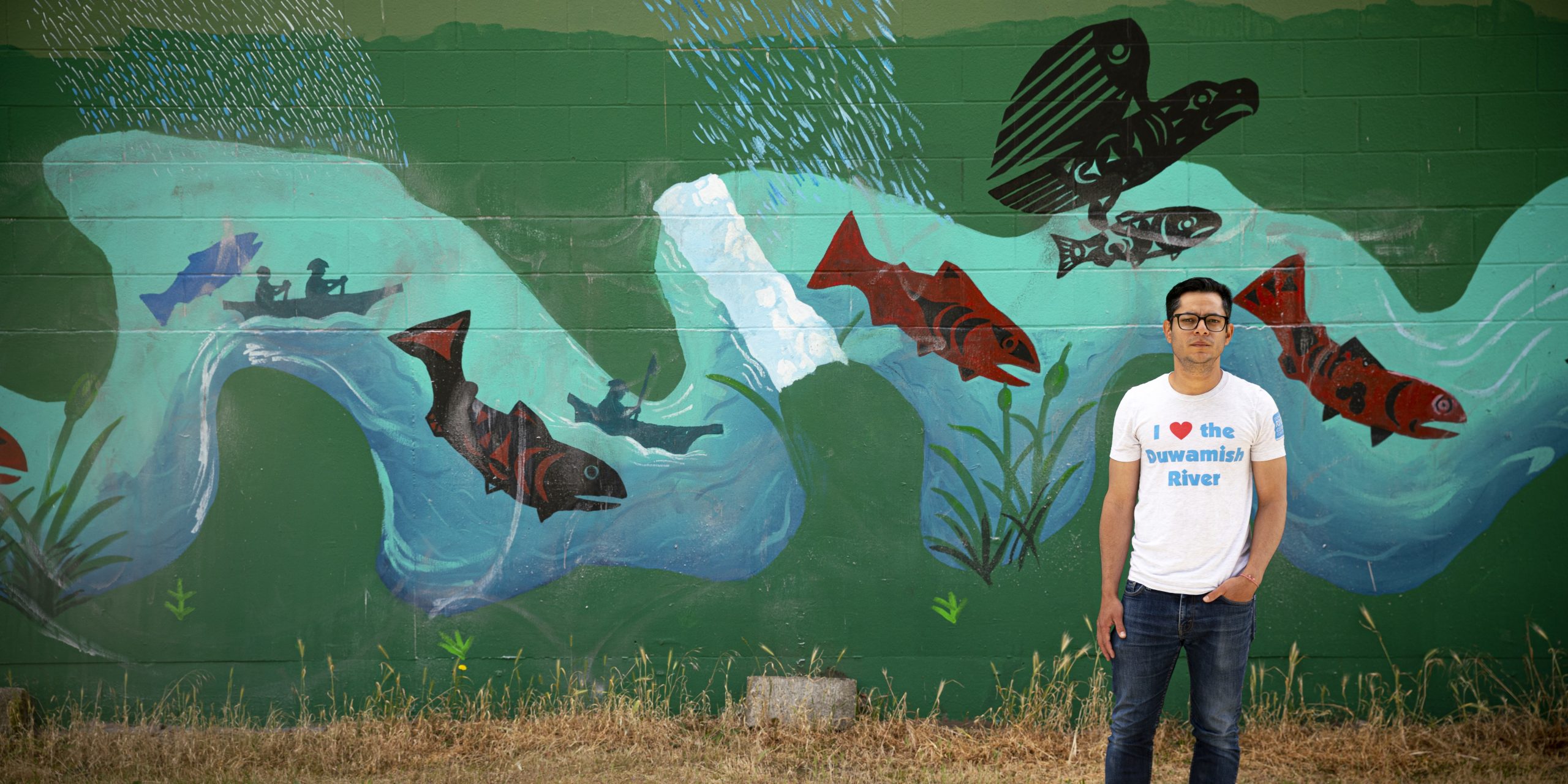
Seattle’s Duwamish Valley neighborhoods of South Park and Georgetown are home to racially diverse, low‑income communities that have long faced disproportionate environmental burdens—and are now on the front lines of climate change. Increasing tidal flooding, stormwater backups and rising sea levels make the area one of the city’s most climate‑vulnerable, compounding existing inequities in health, housing and infrastructure. In response, the City of Seattle has created the Duwamish Valley Resilience District (DVRD), a place‑based initiative designed to embed environmental justice and racial equity into every aspect of flood adaptation, climate mitigation and long‑term resilience planning.
In late 2022, the city partnered with the University of Washington, regional public health agencies, and the Duwamish River Community Coalition to conduct a Seattle Assessment of Public Health Emergency Response (SASPER). Using the U.S. Centers for Disease Control and Prevention’s CASPER methodology, the door‑to‑door survey engaged residents directly to understand their needs, priorities and lived experiences before and after climate‑related emergencies. The findings now serve as a foundation for equity‑centered strategies in disaster preparedness, community resilience and long‑term climate adaptation—ensuring that Duwamish Valley residents’ voices guide the policies and investments intended to protect them.