Overview
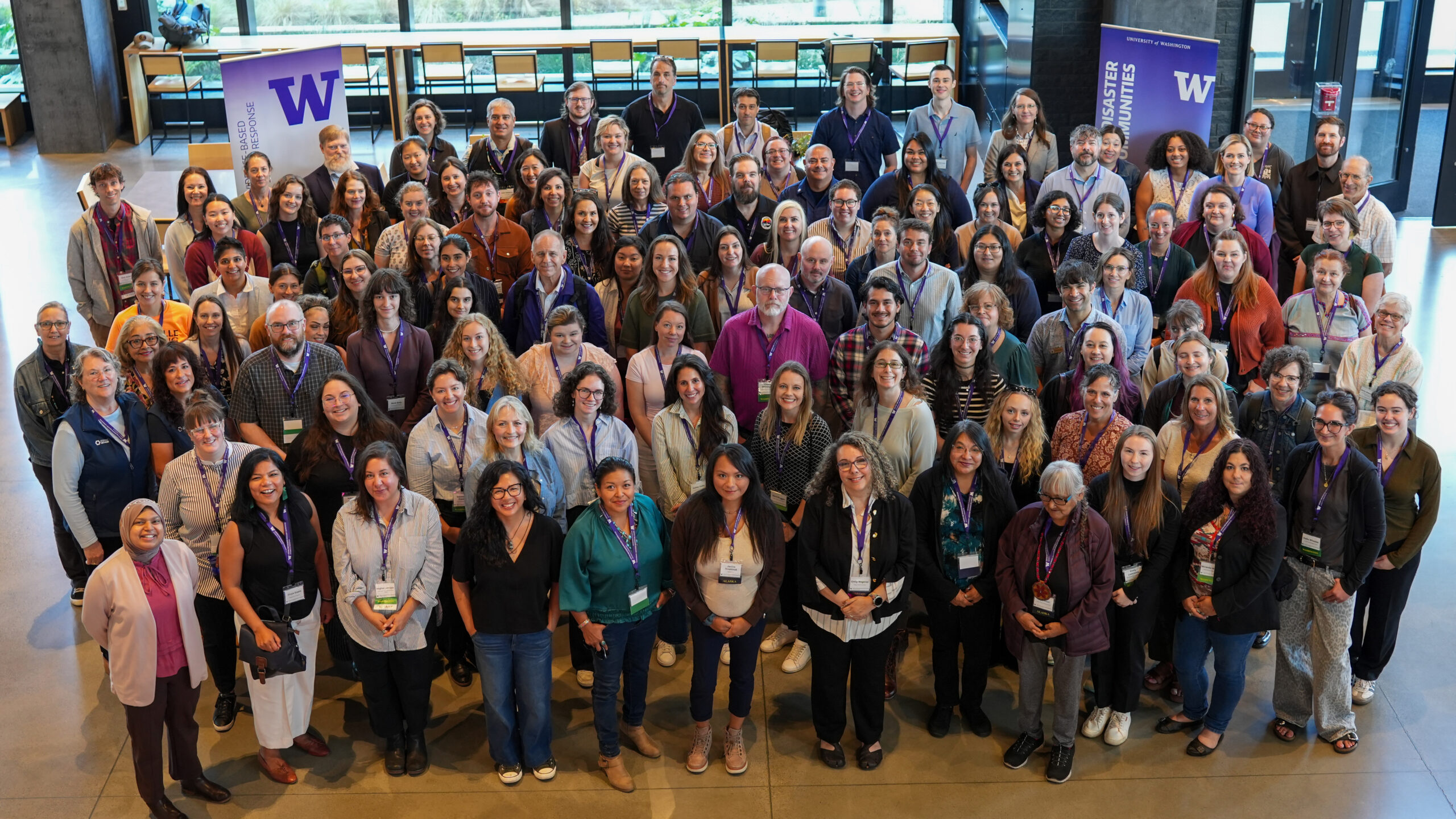
The Northwest Preparedness and Resilience Conference brings together an interdisciplinary group of regional practitioners, researchers and other partners working across a range of disaster-related fields. We are looking forward to engaging with our partners across the region and strive towards bridging the gap between practice and research.
Where: University of Washington Campus, Seattle, WA
When: Stay tuned for 2027 dates
Thank you for joining us for the 2026 Northwest Preparedness and Resilience Conference. Across two full days of programming, nearly 200 practitioners, researchers, partners and community members convened to discuss a wide range of preparedness and resilience topics relevant to the Northwest.
Please stay tuned for additional information regarding next year’s conference. If you would like to be added to our email communications list, please reach out to cdrc-conference@uw.edu.
Additional conference details
Please stay tuned for the 2027 Conference agenda. We welcome your Keynote Speaker recommendations, please share with us at cdrc-conference@uw.edu.
Please stay tuned for information on the 2027 hotel block and travel information.
When is the 2027 Northwest Preparedness and Resilience Conference?
Dates for the 2027 Northwest Preparedness and Resilience Conference will be announced soon. Please check back for additional information.
If you have any questions regarding the conference, please contact our planning team at cdrc-conference@uw.edu.

Prior Northwest Preparedness and Resilience Conferences
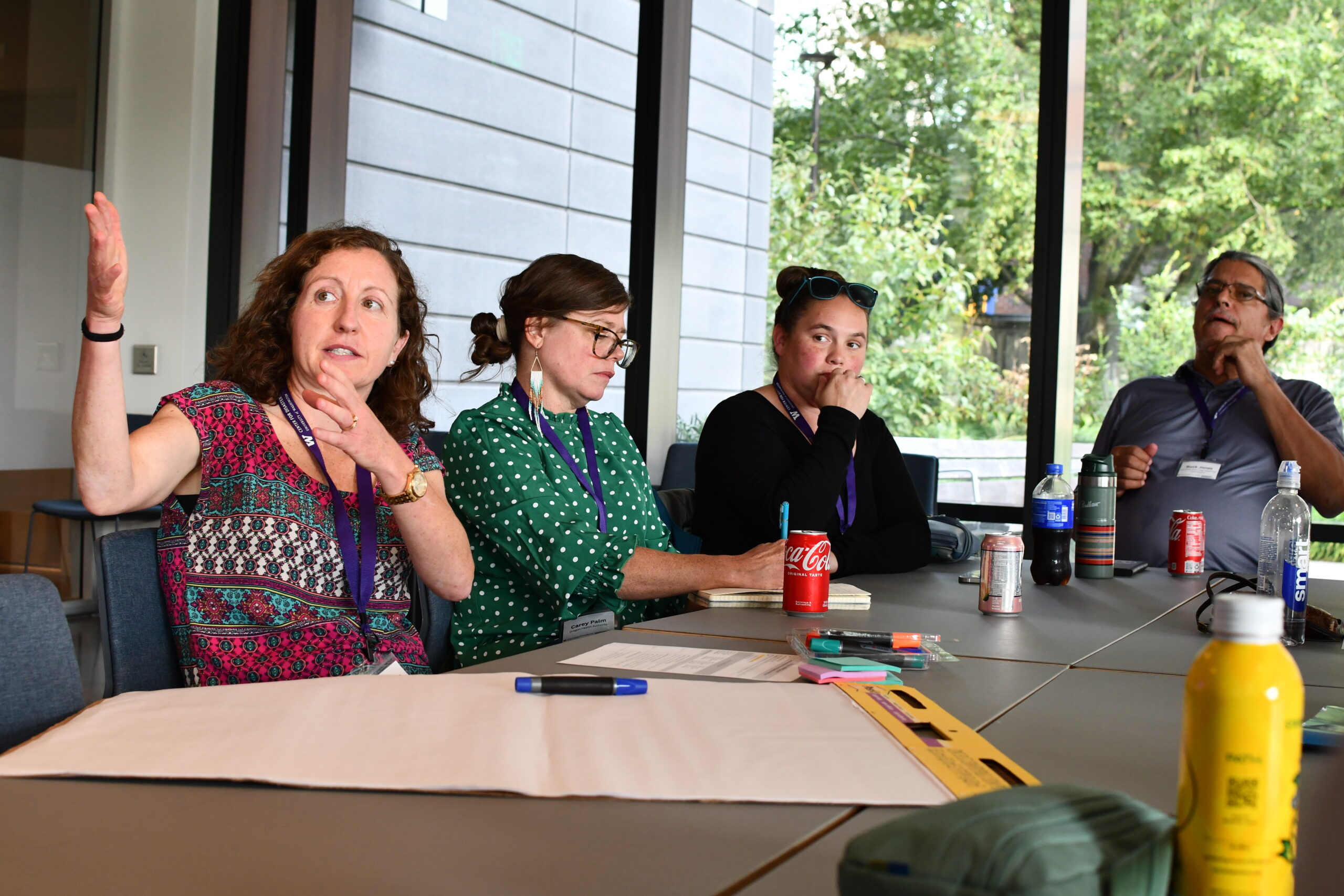
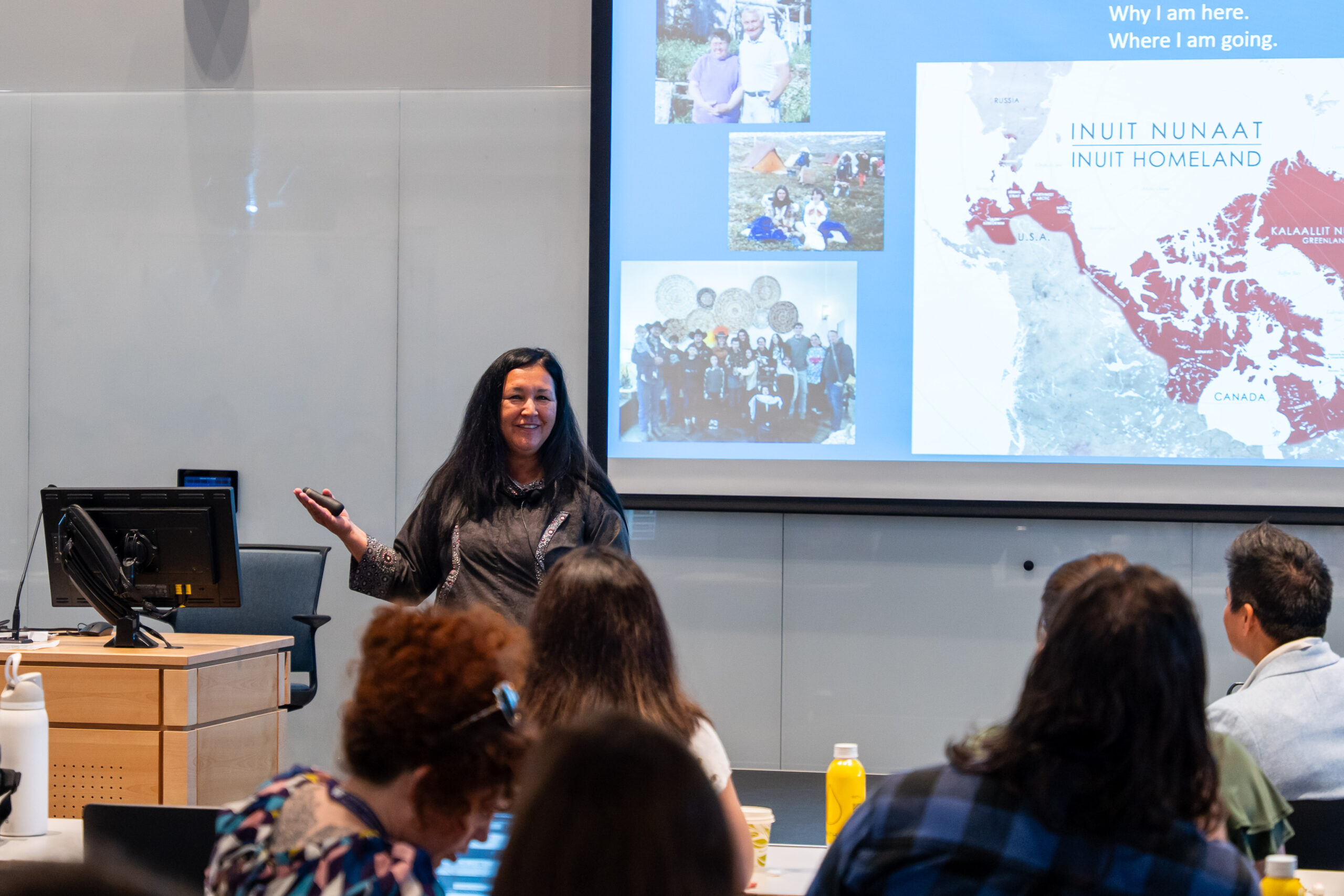
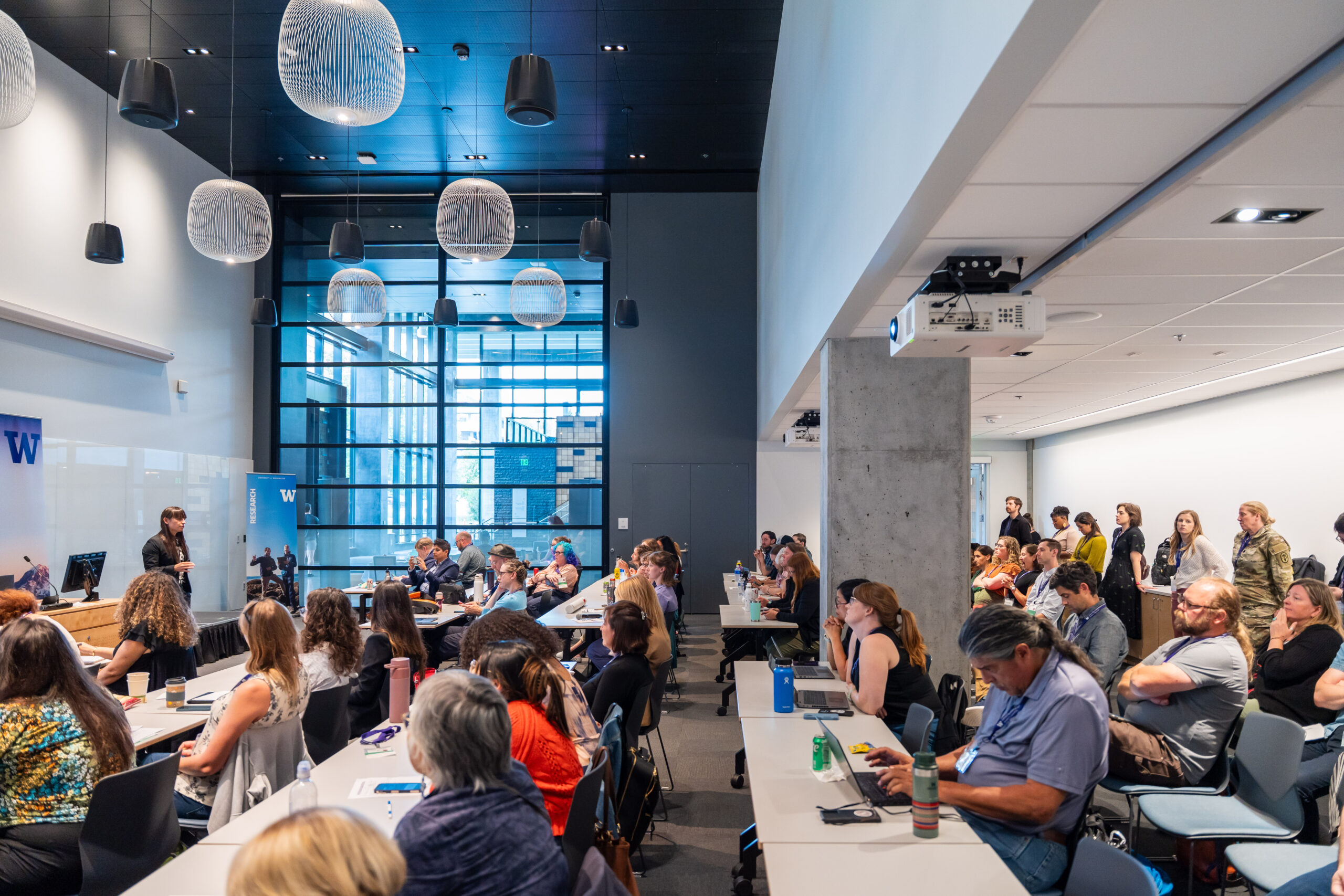
The materials from the 2025 and 2026 conferences have been archived in the following tabs.
Thank you to all those who attended the 2026 Northwest Preparedness and Resilience Conference. Nearly 200 researchers, practitioners, representatives and partners working in disasters and community resilience came together to share expertise during our two-day conference in Seattle.
Logistics
When: September 16-17, 2026
Where: University of Washington Seattle Campus
Agenda
The final agenda can be downloaded for review.
Keynote speakers
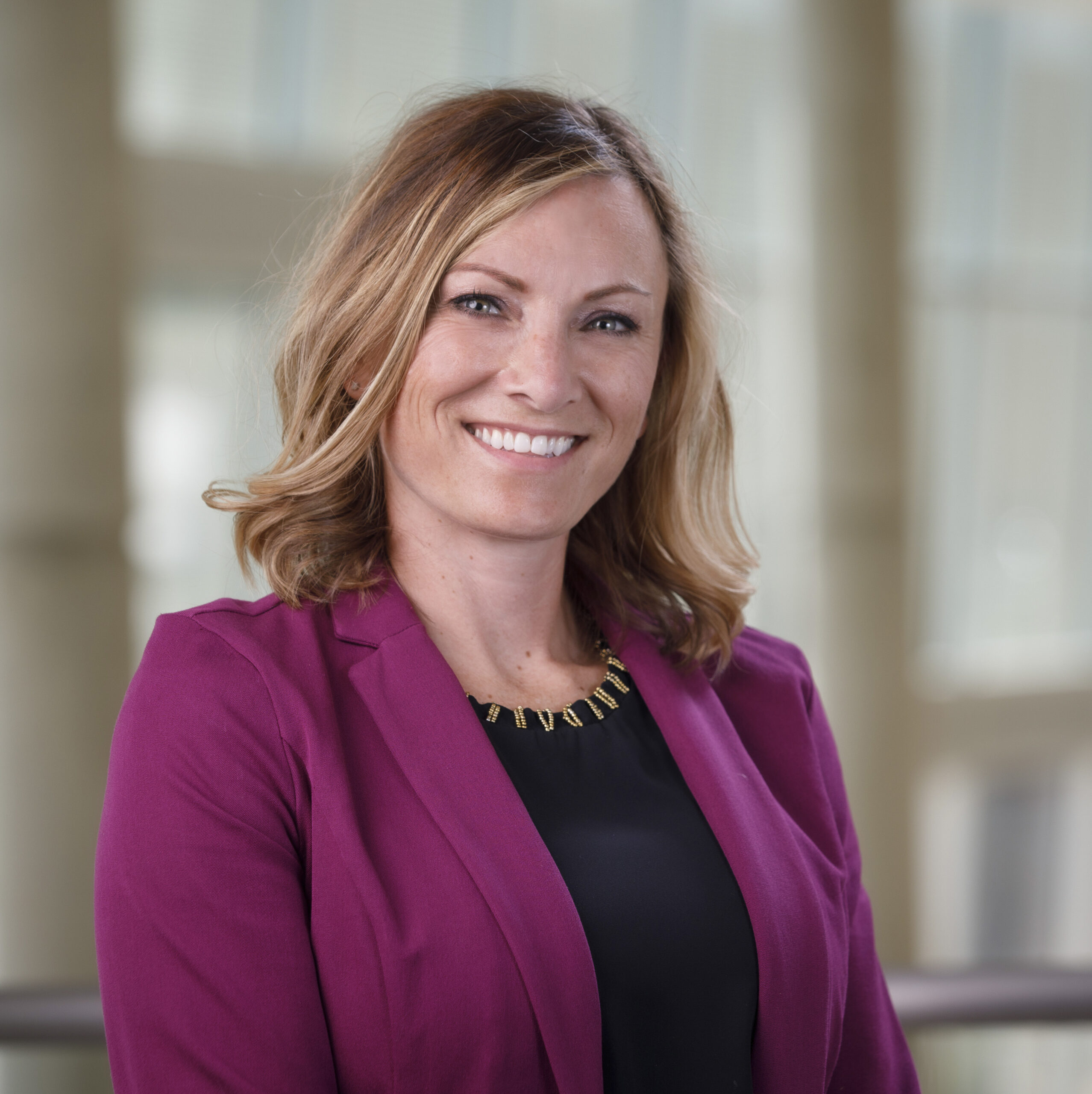 Angela Vasa, MSN, RN
Director, Emergency Preparedness and Special Pathogen Programs, Nebraska Medicine
Director, Readiness Consultations and Metrics Development, National Emerging Special Pathogens Training and Education Center
As Director for Emergency Preparedness and Special Pathogen Programs at Nebraska Medicine, Ms. Vasa serves as the Principal Investigator for the Regional Emerging Special Pathogens Treatment Center (RESPTC) and the National Quarantine Unit (NQU). A nurse with over 20 years of specialized experience in trauma, critical care, solid organ transplant, and high consequence infectious diseases, she has been part of the Nebraska Biocontainment Unit team since 2009. Ms. Vasa provided direct patient care for the patients with Ebola Virus Disease admitted to the Nebraska Biocontainment Unit in 2014-2015, the first individuals admitted to the NQU with SARS-CoV-2 in 2020, led the operational response team supporting Iowa during care of a patient with Lassa Fever, and directed the Andes Hantavirus operation within the RESPTC and the NQU.
She also directs consultative services and metrics development for the National Emerging Special Pathogen Training and Education Center (NETEC), supporting special pathogen preparedness for healthcare facilities and EMS agencies nationwide through assessments and readiness tools. Ms. Vasa is a Johns Hopkins Center for Health Security Emerging Leaders in Biosecurity Initiatives Fellow and a Health Policy Fellow with the Nebraska Nurses Association. She has contributed extensively to publications and presentations domestically and internationally.
 Joan Casey, PhD
Associate Professor, Epidemiology, University of Washington
Associate Professor, Environmental and Occupational Health Sciences, University of Washington
Associate Chair for Research Initiatives, Environmental and Occupational Health Sciences, University of Washington
Dr. Joan Casey is an environmental epidemiologist who focuses on environmental health, environmental justice, and sustainability. Her research uses large secondary health datasets, such as electronic health records, to study the relationship between emerging environmental exposures and population health across the lifecourse. She also considers vulnerable populations, joint social and environmental exposures, and health disparities, particularly in an era of climate change. Dr. Casey investigates a range of exposures including wildfires, power outages, ambient temperature, the built environment, fossil fuel infrastructure and concentrated animal feeding operations.
Joan A. Casey received her doctoral degree from the Department of Environmental Health Sciences at Johns Hopkins Bloomberg School of Public Health in 2014. From 2014-2016, Dr. Casey was a Robert Wood Johnson Health and Society Scholar, and from 2019-2022, she was the co-chair of the International Society for Environmental Epidemiology North American chapter. She also serves as an editorial board review member for Environmental Health Perspectives. Dr. Casey also holds a BS in Biological and Environmental Engineering from Cornell University and an MA in Applied Physiology from Teachers College at Columbia University.
Thank you to those who attended the inaugural 2025 Northwest Preparedness and Resilience Conference. More than 100 representatives and partners working in disasters and community resilience came together to share expertise during our two-day conference in Seattle last September. For more reflections on the conference, please visit our blog or view the conference photo gallery.
September is Preparedness Month. As part of the month’s activities, the Northwest Center for Evidence-Based Public Health Emergency Preparedness and Response (NWPHEPR) – which is housed in the Center for Disaster Resilient Communities – will be holding a two-day, in-person conference on the University of Washington’s Seattle Campus.
The Northwest Preparedness & Resilience Conference will feature speakers and sessions based on regional public health preparedness topics, including workforce and communications. Conference participants will have opportunities to share and learn from peers across the region through oral and poster presentation sessions. Participants will also have an opportunity to inform the regional center’s future work through an interactive workshop.
Logistics
- When: September 9-10, 2025
- Location: University of Washington, Seattle Campus
- Registration for the conference is complimentary
- Both days include breakfast and lunch
- Discounted hotel rooms will be available for attendees
Registration
Capacity for the conference is limited, and we hope to invite a balance of colleagues from around the region. If you are interested in attending, please complete our registration form> and we will add you to our waitlist.
Agenda
The conference will feature a mix of plenary and breakout sessions covering a range of different topics.
Keynote speakers
 Tara Kirk-Sell
Senior Scholar, Johns Hopkins Center for Health Security
Tara Kirk Sell is a Senior Scholar at the Johns Hopkins Center for Health Security and an Associate Professor in the Department of Environmental Health and Engineering at the Johns Hopkins Bloomberg School of Public Health.
She leads the Region 3 Center for Public Health Preparedness and Response and focuses her work on preparedness, public trust, and risk communication. She led work on the TRUST in Public Health project and the Practical Playbook to Address Health Rumors, both funded by CDC. Prior to her work in academia, she was a professional athlete and won a silver medal in the 2004 Olympics.
 Jackie Qataliña Schaeffer
Director of Climate Initiatives, Alaska Native Tribal Health Consortium, Division of Environmental Health & Engineering (DEHE)
Jackie Qataliña Schaeffer, an Iñupiaq from Kotzebue, Alaska, is the Director of Climate Initiatives program at the Alaska Native Tribal Health Consortium. For decades she has worked across Alaska holistically infusing indigenous knowledge into a variety of sectors she has experience in, including comprehensive planning, energy, housing, water security, sanitation and climate change adaptation for rural communities. Her current work includes leading the team of the Center for Climate and Health and the Center for Environmentally Threatened Communities within the Climate Initiatives program.
Qataliña has co-authored six regional Energy Plans for the State of Alaska, the Oscarville Tribal Adaptation Plan, 2019. She was instrumental in the publication of the Unmet Needs Report for Environmentally Threatened Alaska Native Villages, 2024. She is a Co-PI on the Human Wellbeing team for the Study of Environmental Arctic Change, serves on the National Academies Board on Environmental Change and Society (BECS) and as a Board Director for Arctic Encounter Symposium and Rural Community Assistance Corporation. Qataliña also enjoys traditional sewing, art, mentoring youth and young leaders, and is passionate about designing fashion for modern Inuk. Her designs have featured in Santa Fe: Museum of International Folk Art, Anchorage, Alaska: Anchorage Museum, La Connor, Washington: Museum of Northwest Art, Juneau, Alaska: Alaska State Museum, Bunnell Street Art Center, Portland, Oregon: Native Arts and Culture Foundation Museum, and Tulsa, Oklahoma: Tulsa Living Arts Museum.