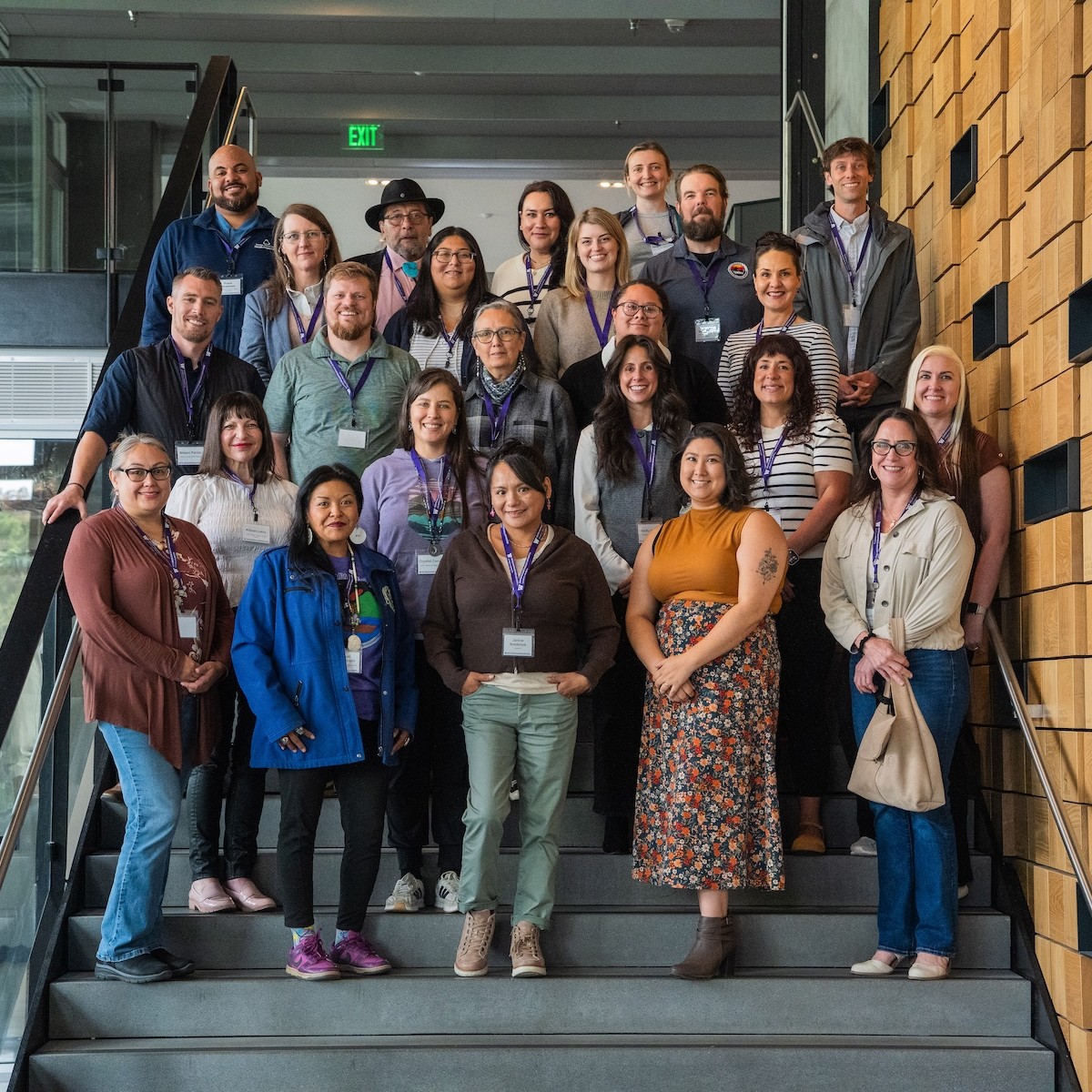
 When a crisis unfolds, leaders must make sense of incomplete information, coordinate within and across jurisdictions, communicate clearly and make decisions that affect large populations. On September 15, 2026, 24 public health and emergency preparedness professionals came together at the University of Washington Seattle campus to practice those skills at the second Crisis Leadership (CLI), hosted by the Northwest Center for Evidence-Based Public Health Emergency Preparedness and Response (NWPHEPR).
The cohort included 20 local public health preparedness coordinators and four members of the Elders Guiding Council for the Center for Disaster Resilient Communities (CDRC), NWPHEPR’s parent organization. Participants were nominated by past CLI participants, NWPHEPR Steering Committee members or members of the Tribal Working Group based on their demonstrated leadership or leadership potential in Region 10.
A curriculum shaped by research—and participant feedback
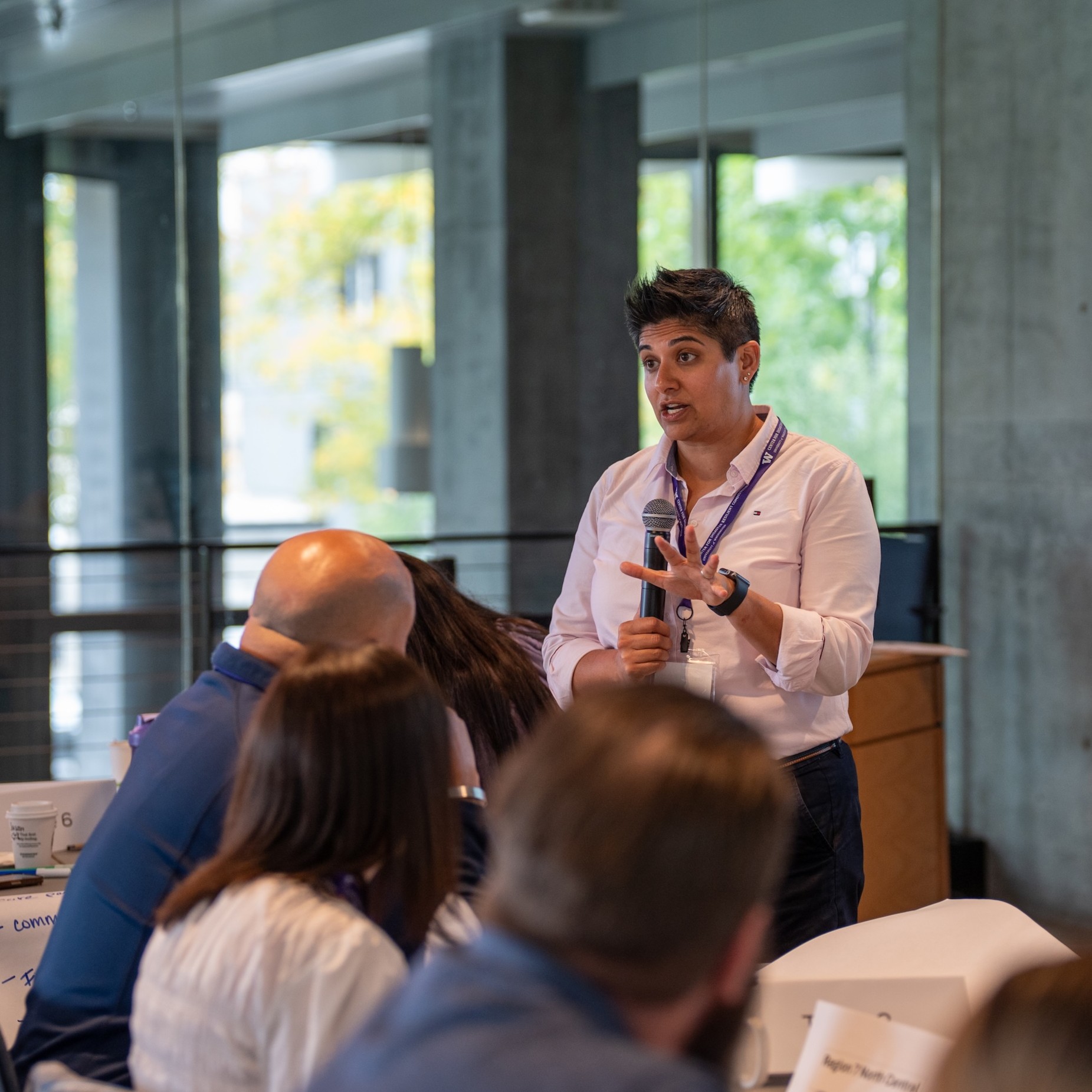 NWPHEPR first developed the CLI using best practices from the peer-reviewed literature, with input from its Steering Committee and Workforce Community of Practice. The curriculum is organized around five crisis leadership competencies identified by Ronald Riggio and Toby Newstead in their 2023 review, “Crisis Leadership”:
- Sense-making
- Coordinating teamwork
- Decision-making
- Communications
- Facilitating Learning
NWPHEPR also developed a module on Tribal communications with guidance from its Tribal Working Group.
Following the inaugural CLI in 2025, the NWPHEPR team spent nearly a year strengthening the program. NWPHEPR’s evaluation team gathered feedback from the first cohort, which informed learning objectives, refined content and new instruction approaches for the 2026 institute.
Learning through a shared crisis scenario
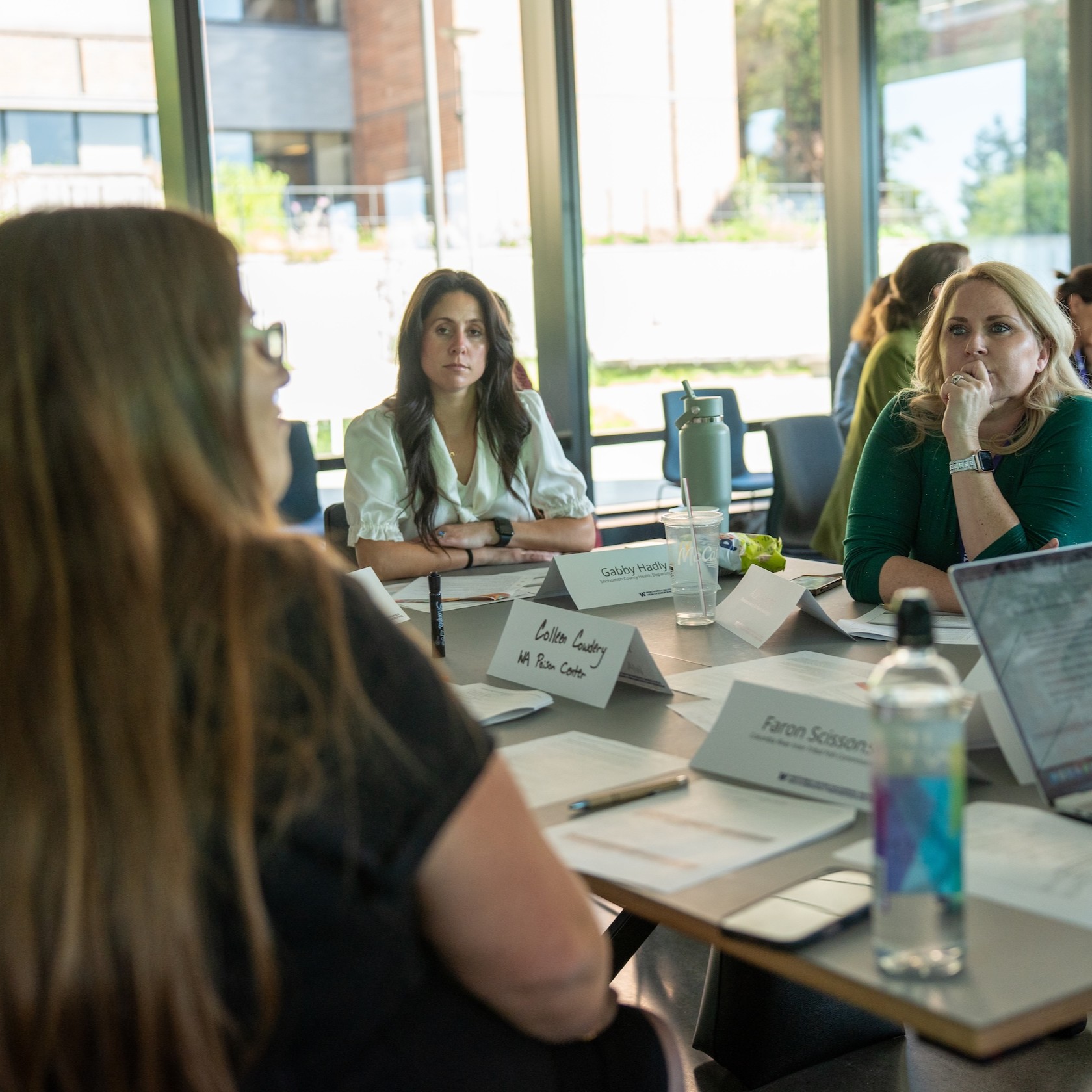 The redesigned institute gave participants multiple opportunities to put leadership principles into practice. Participants were intentionally seated with public health preparedness coordinators or Tribal members from different regions or counties of their states, creating opportunities to collaborate with peers they might not otherwise engage with.
Throughout the day, participants worked through a volcano scenario. Each table represented a different region of Washington state, and teams developed responses while applying lessons from each module.
Turning connections into lasting support
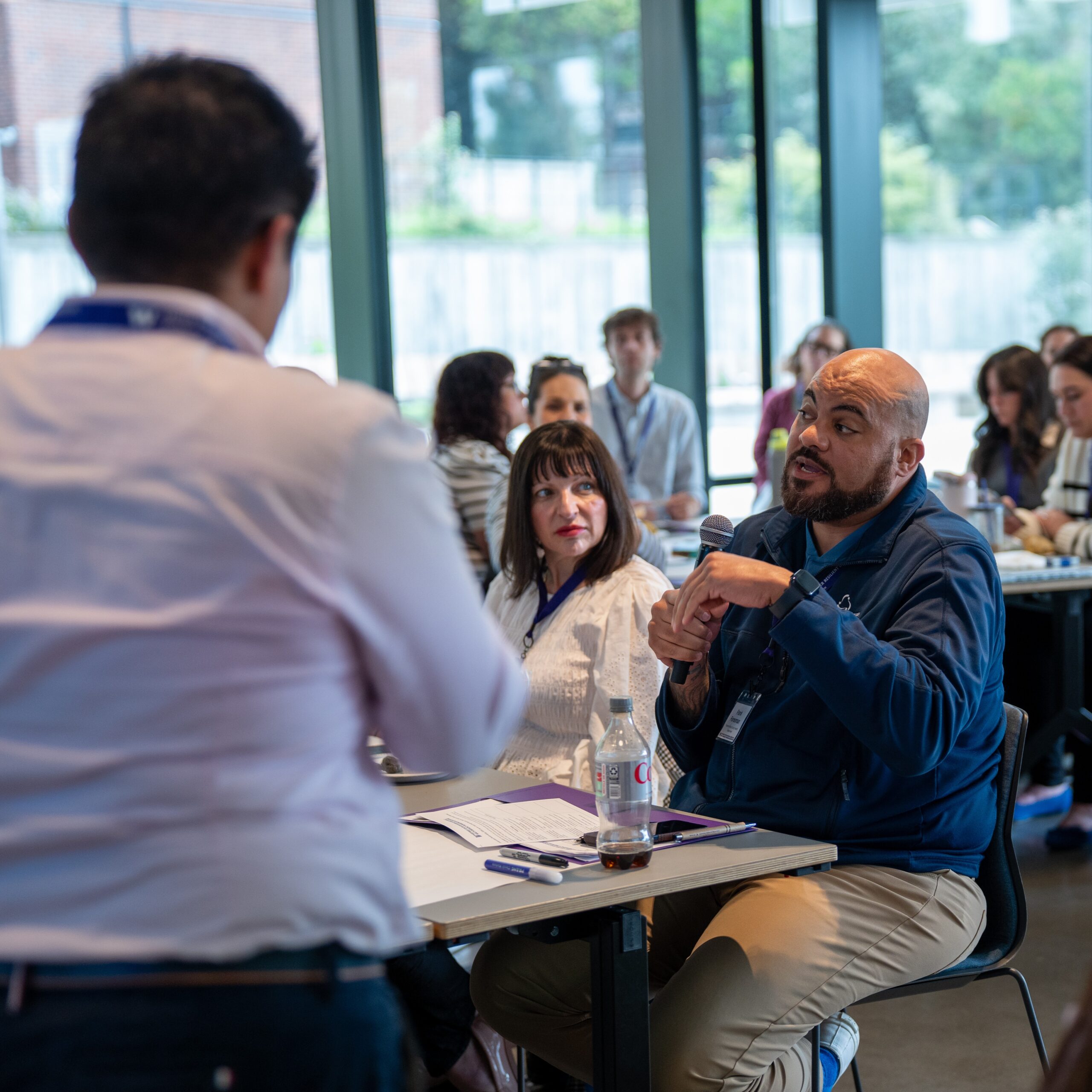 Participant feedback was overwhelmingly positive.
“The Crisis Leadership Institute helped me strengthen my leadership skills and broaden my perspective on responding to public health emergencies,” said Cynthia Rodriguez, public health emergency preparedness manager for Coos Health and Wellness in Coos Bay, Oregon. “Connecting with other public health professionals and learning from their experiences was one of the most valuable aspects of the program. These connections and insights provided practical perspectives that I can apply in my work and bring back to my community.”
The learning will continue beyond the institute. Beginning in early 2027, the cohort will participate in six monthly ECHO (Extension for Community Health Outcomes) peer-learning sessions. Originally developed by a team at the University of New Mexico for medical education, the ECHO model supports peer mentorship and knowledge sharing among local experts. Its effectiveness is supported by peer-reviewed literature.
Together, the institute and follow-up sessions are designed to help participants continue building the relationships, confidence and practical leadership skills needed to support communities before, during and after public health emergencies.