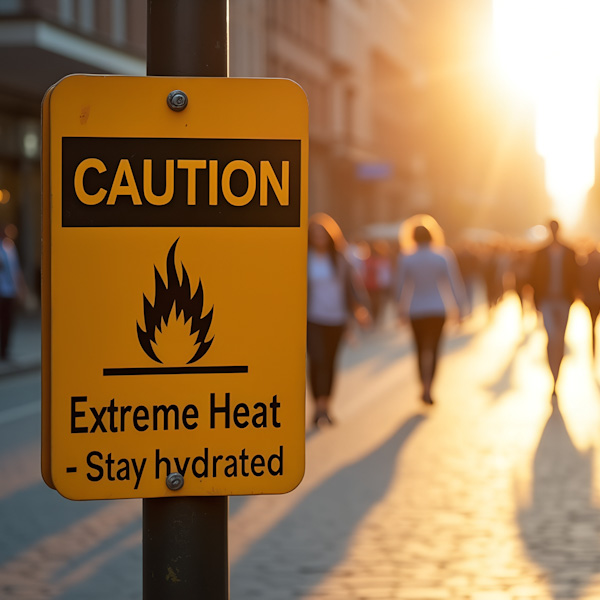
 Extreme heat events (EHEs) are the deadliest weather hazards in the U.S., and local health jurisdictions (LHJs) play a critical role in responding to them. A new study from the University of Washington used focus groups with LHJ representatives to identify key factors influencing EHE preparedness and response.
The research team identified four major influences: local conditions, community engagement and tailored strategies, partnerships and available resources. Participants emphasized the need for scalable resources, improved data access and stronger collaboration across health systems to support effective implementation. These findings can inform future policy and research aimed at strengthening LHJ capacity to protect vulnerable populations from extreme heat.