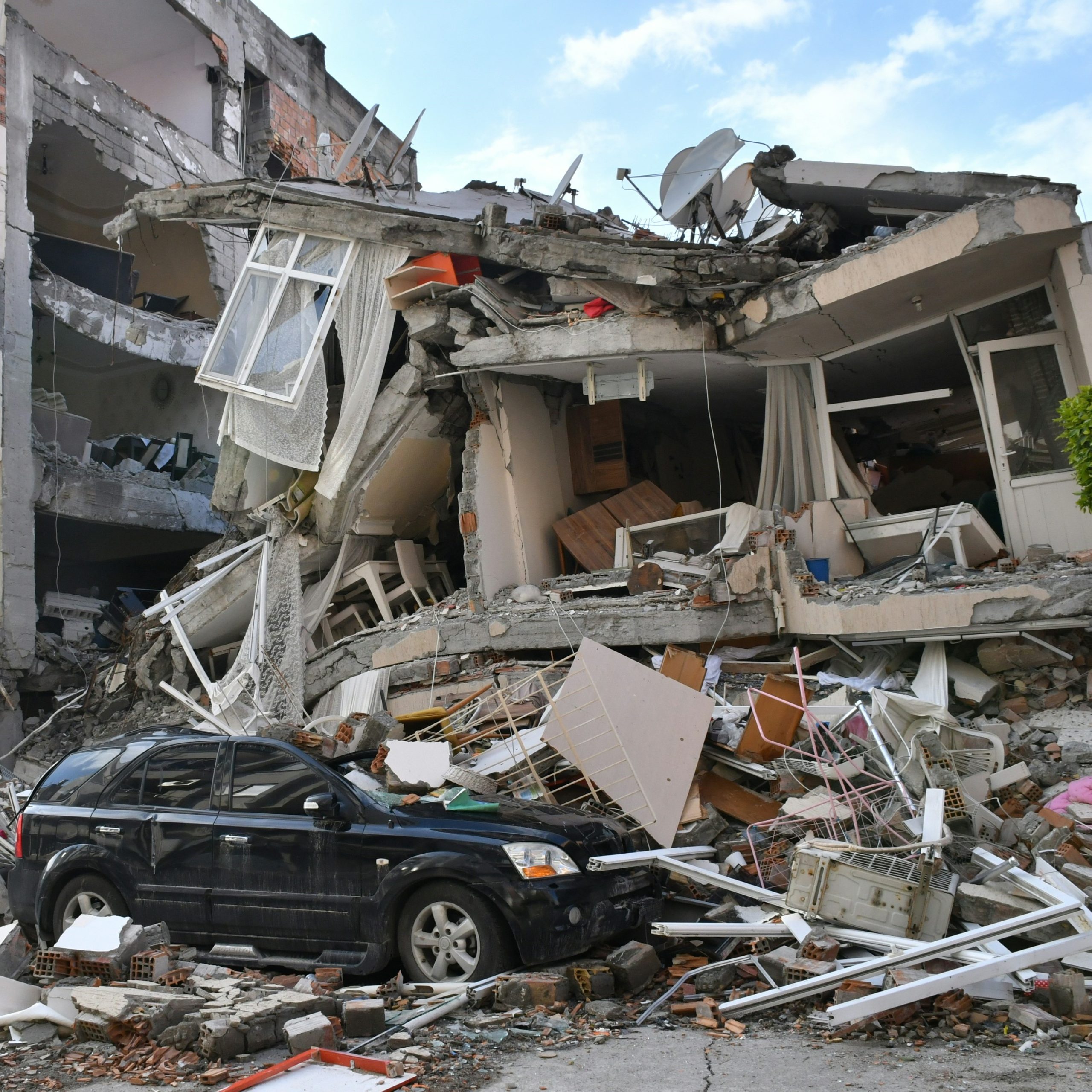
 Liquefaction of soil is a major risk during earthquakes, responsible for significant damage to buildings and other infrastructure. A team from the University of Washington’s Department of Civil & Environmental Engineering is developing biocementation – a newer, sustainable alternative to traditional soil stabilization methods. This new approach utilizes bacteria to help soils strengthen against earthquake liquefaction.
Unlike conventional cement-based soil treatments, biocementation is much less invasive, with a simple nutrient solution being injected into the soil. This solution enables bacteria to create calcium carbonate, a mineral that binds soil particles together. Biocementation offers various advantages compared to the traditional approach: it requires no excavation or heavy equipment, flows easily through soil similar to water, can reach deeper areas in the soil and produces significantly less carbon emissions than the cement-based interventions.